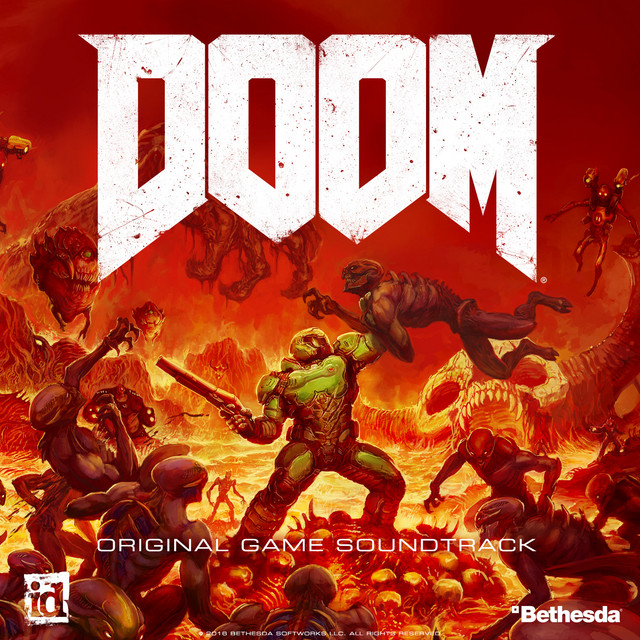

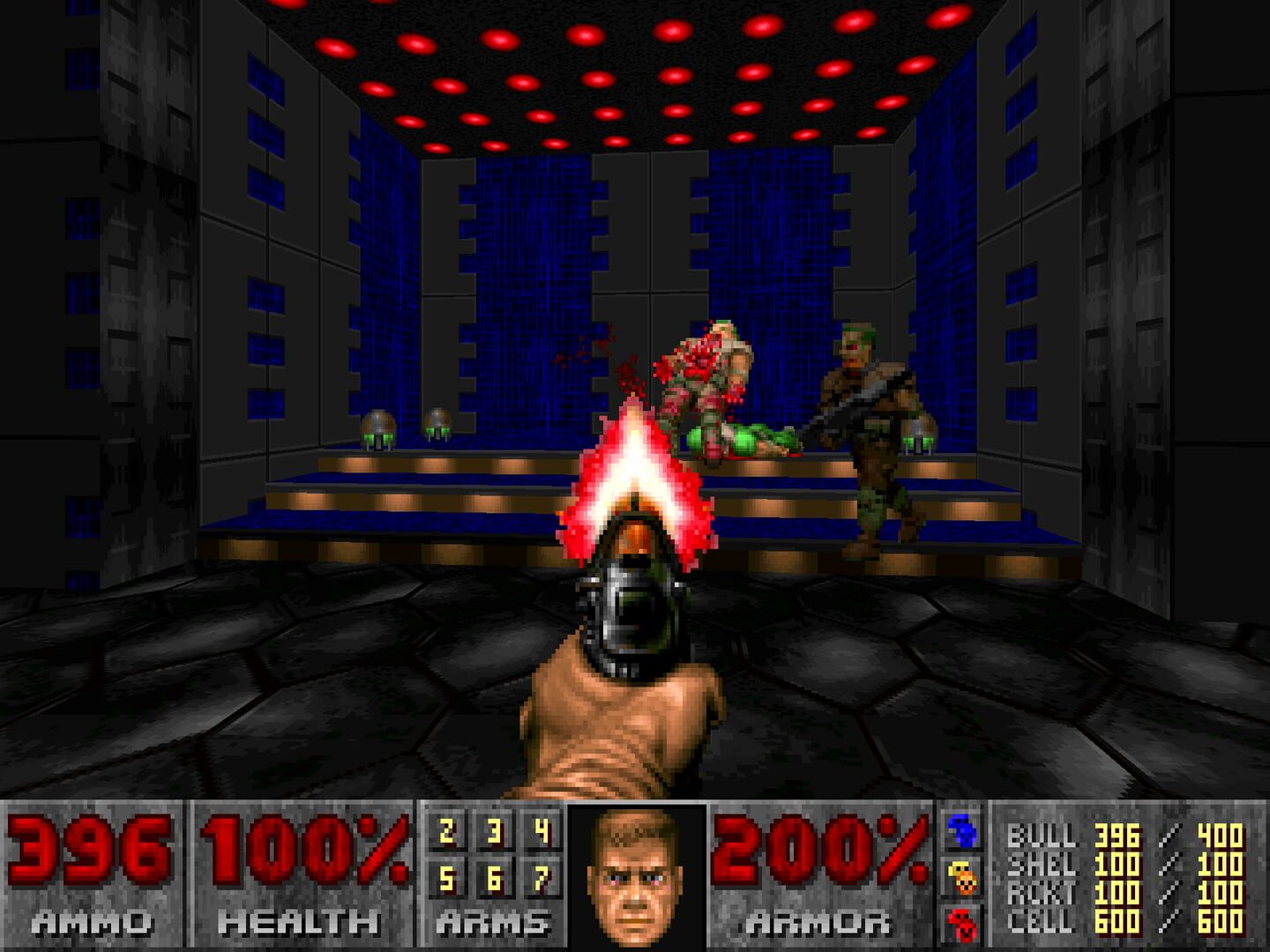
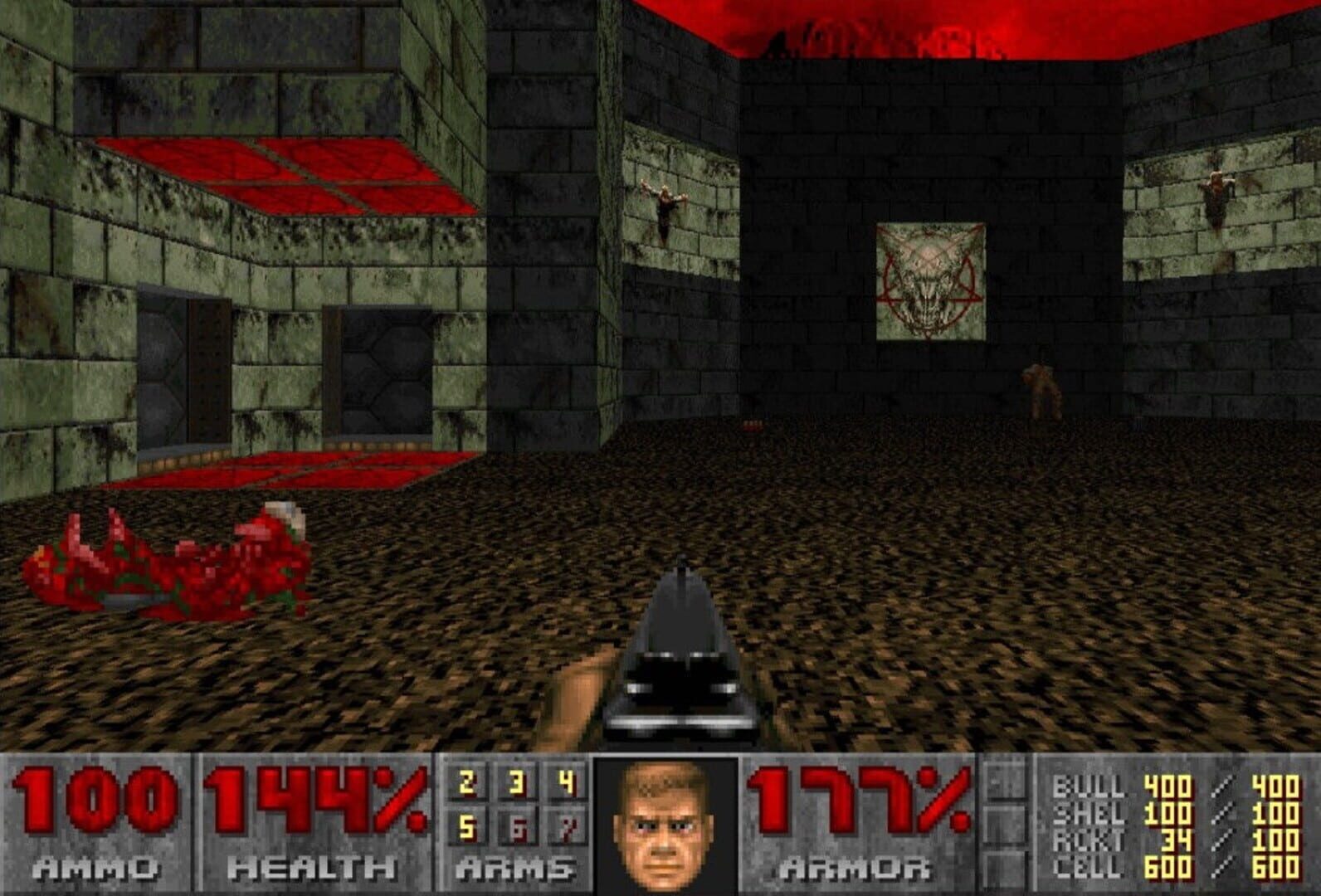
In the future, humans have left Earth and settled throughout the galaxy. On Mars, the Union Aerospace Corporation has established a radioactive waste facility and allowed the military to conduct teleportation experiments on the nearby moons of Deimos and Phobos. Hours ago, the base on Mars began receiving incoherent distress messages from Phobos, while Deimos has disappeared completely. With all attempts to establish contact failing, you and your team have been dispatched to investigate. Upon arrival, you secure the perimeter as the rest of your team enters the facility. As you stand guard, your radio crackles with the sound of gunfire, cracking bones and blood-curdling screams and eventually falls silent. Alone, with no way off the planet or means to defend yourself other than your trusty pistol, there’s only one way out - into the complex of death and the horrors that await you within. If you plan to get out of here alive you must fend off the hordes of demonic imps, haunting spectres and your undead, former comrades waiting to tear you limb from limb. So, grab the nearest shotgun and blast your way out of this fragging madness!
Official releases
Soundtrack albums
About the Doom soundtrack
The Doom soundtrack was composed by Mick Gordon for the game by id Software. OSTDB lists one official release: Doom (Original Game Soundtrack). Listen to the Doom OST on Spotify. It is part of the Doom series.
More Doom soundtracks
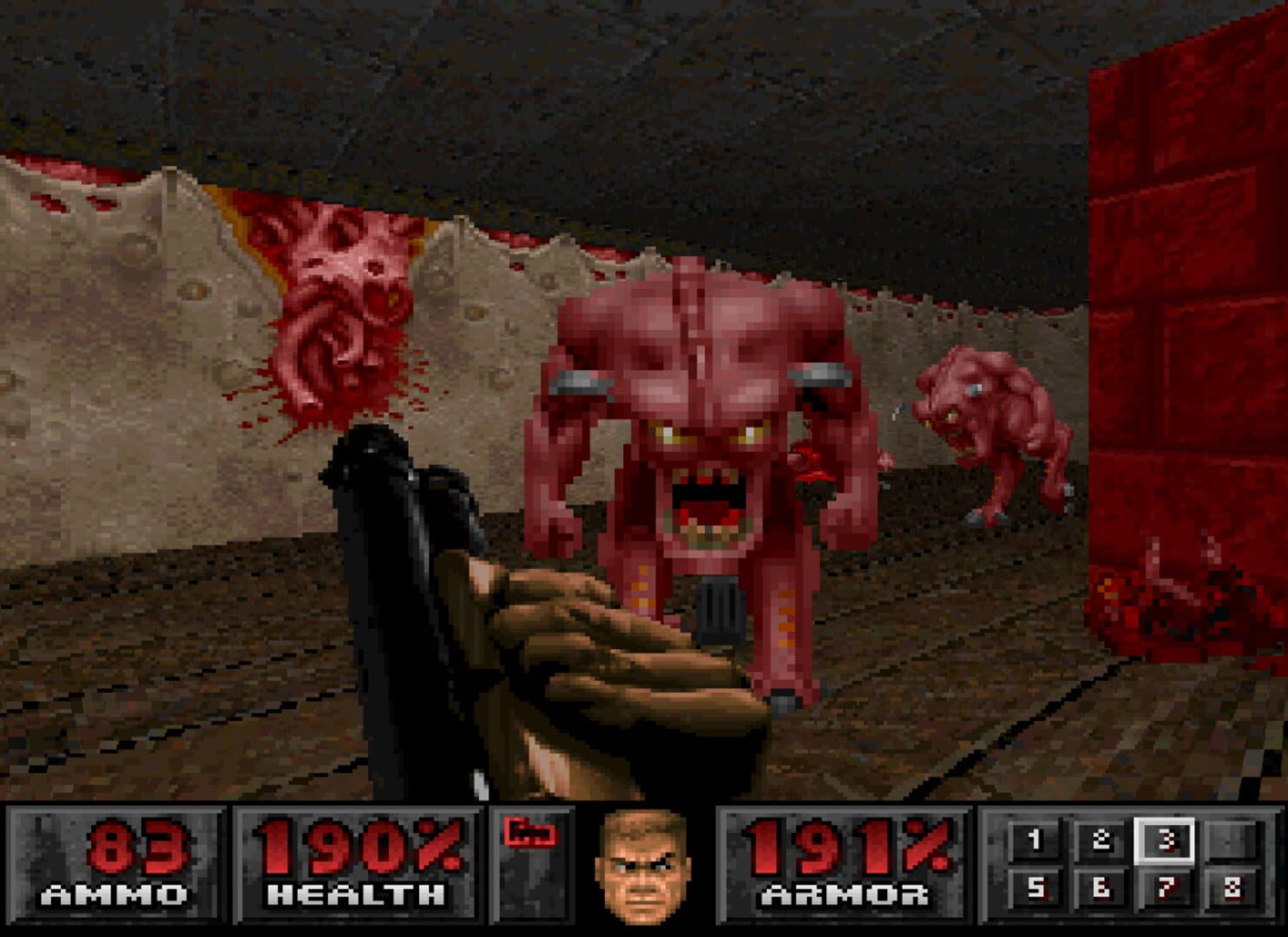
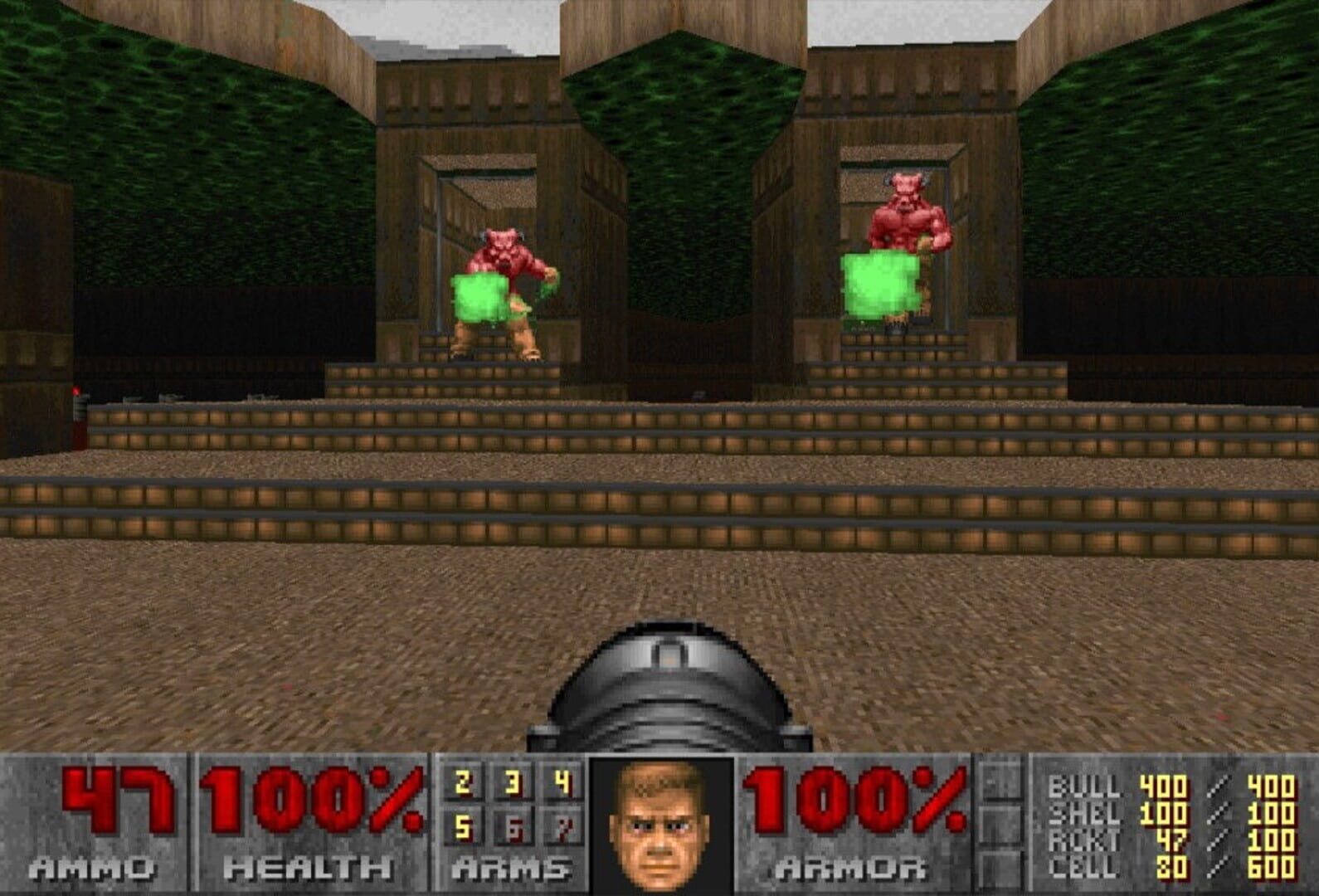
all ↗screenshots
5 images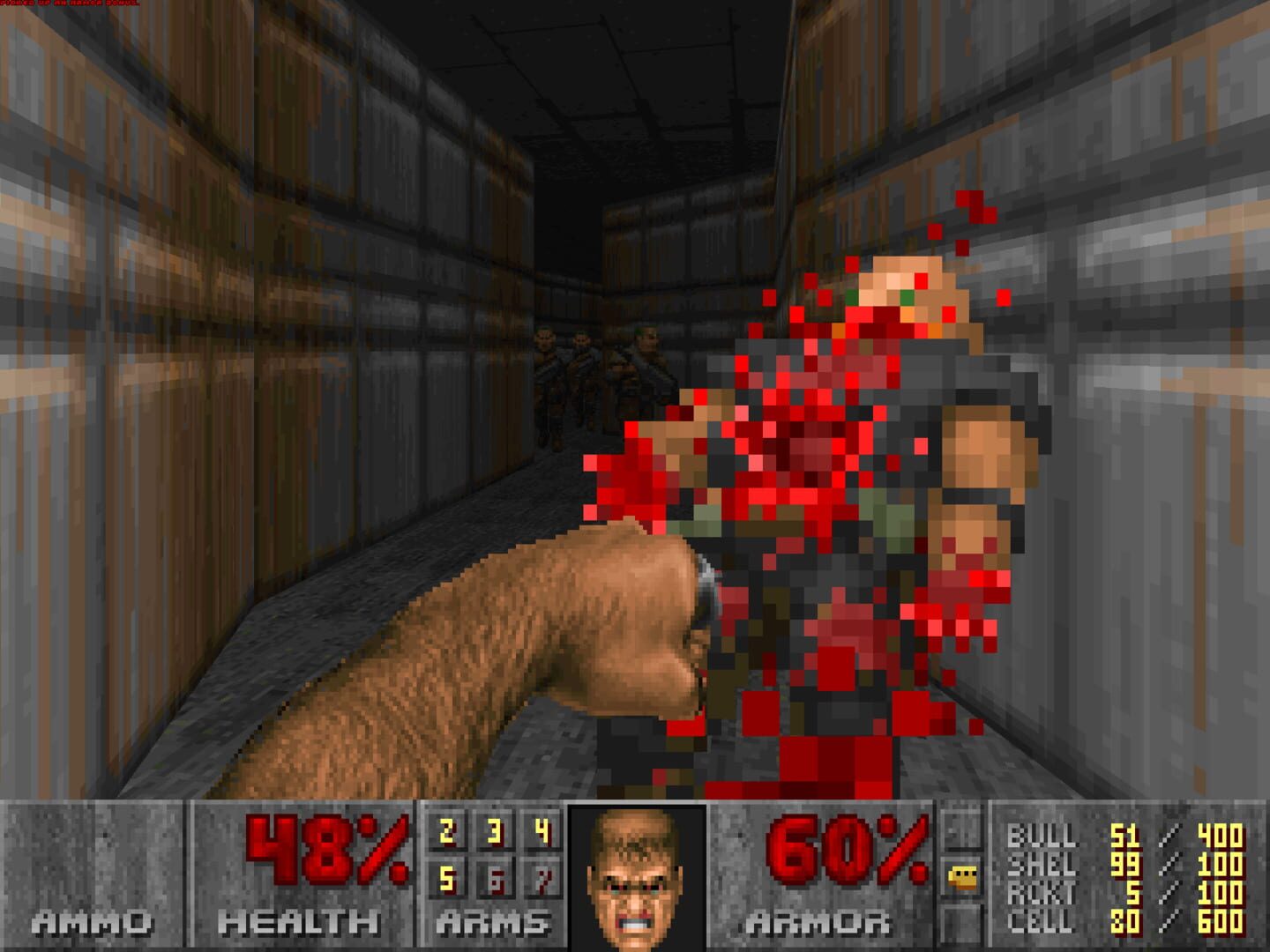
Doom soundtrack FAQ
- Who composed the Doom soundtrack?
- The Doom soundtrack is by Mick Gordon.
- Where can I listen to the Doom soundtrack?
- The official Doom OST is available on Spotify. OSTDB links each official release directly, so you can open it in your streaming app.
- How many Doom soundtrack albums are there?
- There is one official Doom soundtrack album listed on OSTDB: Doom (Original Game Soundtrack).
- Are there soundtracks for other Doom games?
- Yes. OSTDB collects the official soundtracks of every game in the Doom series on one page.
Links are community reviewed through the OSTDB GitHub repository ↗.